How To Teach A Baby To Walk?
From wobbling to walking: Expert-backed exercises and tips to help your child find their footing.
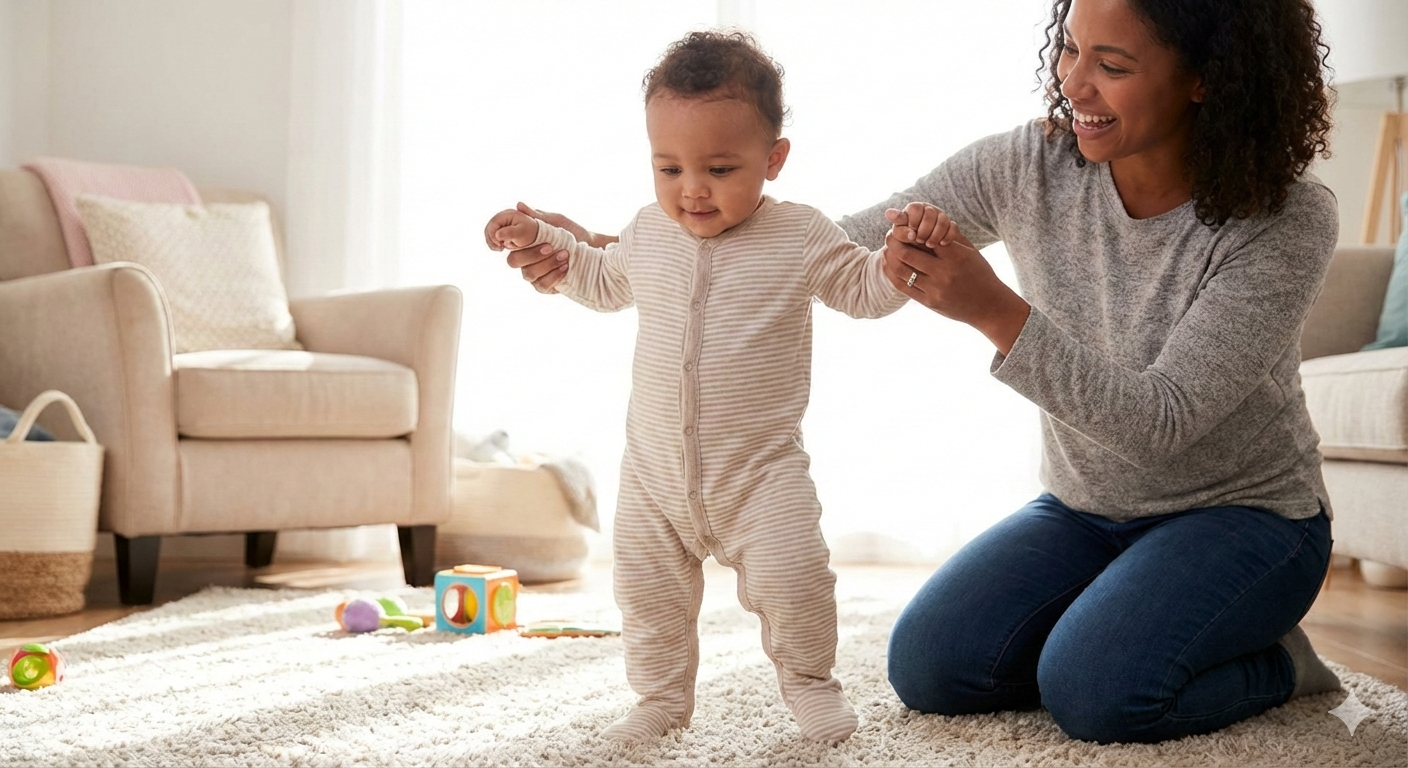
There is a specific magic in witnessing the transition from crawling to walking. It is a shift that changes everything not just for the baby, but for the parents who now have to chase them.
While walking is a natural biological imperative, the role of the parent is not passive. You are the coach, the safety net, and the cheerleader. Many parents ask, "Can I actually teach my baby to walk?" The answer is yes and no. You cannot rush biology, but you can certainly facilitate it. By creating the right environment and engaging in specific muscle-building play, you can give your child the confidence and strength they need to let go of the furniture and take that first independent step.
This comprehensive guide explores the mechanics of walking, safety measures, and actionable exercises you can do at home to help your baby master the art of vertical mobility.
1. Assessing Readiness: Is Your Baby Ready?
Before you begin actively "teaching" walking, it is crucial to ensure your baby has the foundational strength required. Pushing a child to walk before their hips and spine are ready can be counterproductive and frustrating for both of you.
Look for these signs of readiness, which typically appear between 8 and 12 months:
- Pulling to Stand: They use furniture (or your legs) to haul themselves upright.
- Cruising: They shuffle sideways while holding onto the couch or coffee table.
- Deep Squats: While holding onto something, they can squat down to pick up a toy and stand back up. This indicates immense leg strength.
- Standing Without Support: They might let go for a fleeting second or two, testing their balance.
2. Setting the Stage: Environment Matters
Your home is the training ground. If your floor is slippery or your furniture is spaced too far apart, your baby may be reluctant to try moving. The first step in teaching them to walk is optimizing their space.
The "Safe Fall" Zone
Babies learn by falling. It is an unavoidable part of the physics of walking. If a baby is terrified of hitting a hard floor, they will be hesitant to take risks. Clear a large area and use a firm foam play mat or a rug. Avoid overly plush bedding, which can be difficult to balance on, but ensure the surface is forgiving enough to cushion a tumble.
Strategic Furniture Placement
Create a "cruising course." Place stable furniture (like heavy chairs, sofas, and ottomans) close enough together that your baby can reach the next support before letting go of the current one. As they gain confidence, you can inch the furniture further apart, encouraging them to bridge the gap with a small step.
"Pro Tip: Childproofing changes when a baby becomes vertical. Corners of tables that were previously out of reach are now at head height. Install corner guards before the walking practice begins to prevent discouraging injuries."
3. Exercises to Teach Walking
Once the environment is set, you can incorporate these exercises into your daily playtime. These activities target balance, core stability, and leg coordination.
The "Assisted Walk" (Done Correctly)
Most parents instinctively hold their baby’s hands high above their head to help them walk. However, this throws off the baby's center of gravity and can strain their shoulders. Instead, stand behind your baby and hold their upper torso or their hips. This allows them to feel their own weight on their feet and lean forward naturally, rather than hanging from your hands.
Object Retrieval Squats
Place a favorite toy at your baby's feet while they are standing and holding onto the sofa. Encourage them to squat down to pick it up and stand back up. This repetitive motion (squats) is the single best exercise for building the quadriceps and glutes needed for walking.
The "Come to Me" Game
This requires two adults. Sit on the floor a few feet apart. Have one parent hold the baby in a standing position, while the other encourages the baby to walk into their open arms. The emotional reward of a hug is a powerful motivator. Start with a distance of just one or two steps and gradually increase it.
Utilizing Push Toys
Unlike seated walkers (which the AAP discourages), push toys are excellent for teaching walking. These are sturdy wagons or carts with a handle that the baby stands behind. They offer support while allowing the baby to control the speed and direction. Ensure the toy is weighted down (you can put books in the wagon) so it doesn't roll away too fast and cause a face-plant.
4. The Great Shoe Debate: Barefoot is Best
Marketing will tell you that your baby needs supportive, high-top sneakers to learn to walk. Science says otherwise.
The feet of a baby are made of soft cartilage rather than hard bone. More importantly, they are loaded with nerve endings. Babies use the sensory feedback from the soles of their feet to adjust their balance and grip the floor. Thick soles block this information.
The Rule of Thumb: Keep your baby barefoot as much as possible indoors. This strengthens the arches and ankles. Socks with non-slip grips are a good alternative if it is cold. Save the shoes for outdoor protection only, and even then, choose soft-soled shoes that mimic bare feet.
5. Handling the Psychology of Falling
How you react to a fall determines how your baby reacts to a fall. If you gasp and look terrified every time they wobble and sit down hard, they will associate walking with danger and fear.
When they take a tumble (and they will, often):
- Stay Calm: Keep your facial expression neutral or positive.
- Wait a Beat: Don't rush to pick them up immediately unless they are hurt. Give them a moment to self-assess.
- Encourage Recovery: Say something like, "Uh oh! Down we go. Can you stand back up?" enthusiastically.
Building resilience is just as important as building muscle. A baby who isn't afraid to fall is a baby who will keep trying until they succeed.
Conclusion
Teaching a baby to walk is a journey of patience. Some babies are cautious observers who won't let go until they are 100% sure; others are daredevils who run before they can walk. Both are normal.
Trust your child's timeline. Provide the environment, offer the encouragement, and keep the camera ready. The moment they let go of your finger and take that first solo step is a memory you will cherish forever.
Ready for the Next Step?
They are growing up fast. Find a name that matches their evolving personality.